For two decades, foreign investment in Bali concentrated in the south: Seminyak, Canggu, Uluwatu. In 2026 the conversation has shifted north. The reason is infrastructure, and the numbers behind it are hard to ignore.
This is a practical look at why North Bali is drawing attention, what the returns can look like, and the risks every buyer should understand before committing capital.
The airport that changes the map
The single biggest catalyst is the new North Bali International Airport near Singaraja, the largest infrastructure commitment in the island history. It is designed to open the north coast to international tourism for the first time and to relieve the congestion of Ngurah Rai in the south.
Markets price in infrastructure long before it opens. Early land acquisition around Lovina and Singaraja is already reflecting that anticipation, which is exactly the window long-term investors look for.
Value: land at a fraction of the south
North Bali land still trades at a small fraction of comparable plots in Canggu or Seminyak. That gap is the core of the thesis: you are buying into a tourism economy that largely has not formed yet, at entry prices the south left behind years ago.
For a boutique off-plan project, that translates into lower entry pricing and more headroom for capital growth as the region matures.
How ownership and returns work
Foreign investors cannot hold full freehold land in Indonesia. The accepted route is leasehold, and the dominant share of foreign-accessible supply is structured this way. Lease terms vary; longer and extendable terms give you more control over your horizon.
Returns come from two sources: rental income while you hold, and capital appreciation as the area develops. In a managed resort model, owners typically share in the resort total revenue regardless of their own unit occupancy, which smooths income. Treat any projected yield as indicative and always confirm the structure in writing.
The risks to weigh first
North Bali is an early-stage growth story, not a finished yield play. Most experienced investors frame it as a five to ten year hold: time for the airport, roads and tourism to arrive. Only commit capital you can leave in place.
Off-plan adds construction and timing risk; regulation can change; and currency moves affect returns for foreign buyers. None of these are reasons to avoid the market, but they are reasons to choose a credible developer, a clear contract and a realistic horizon.
What a North Bali project looks like in practice
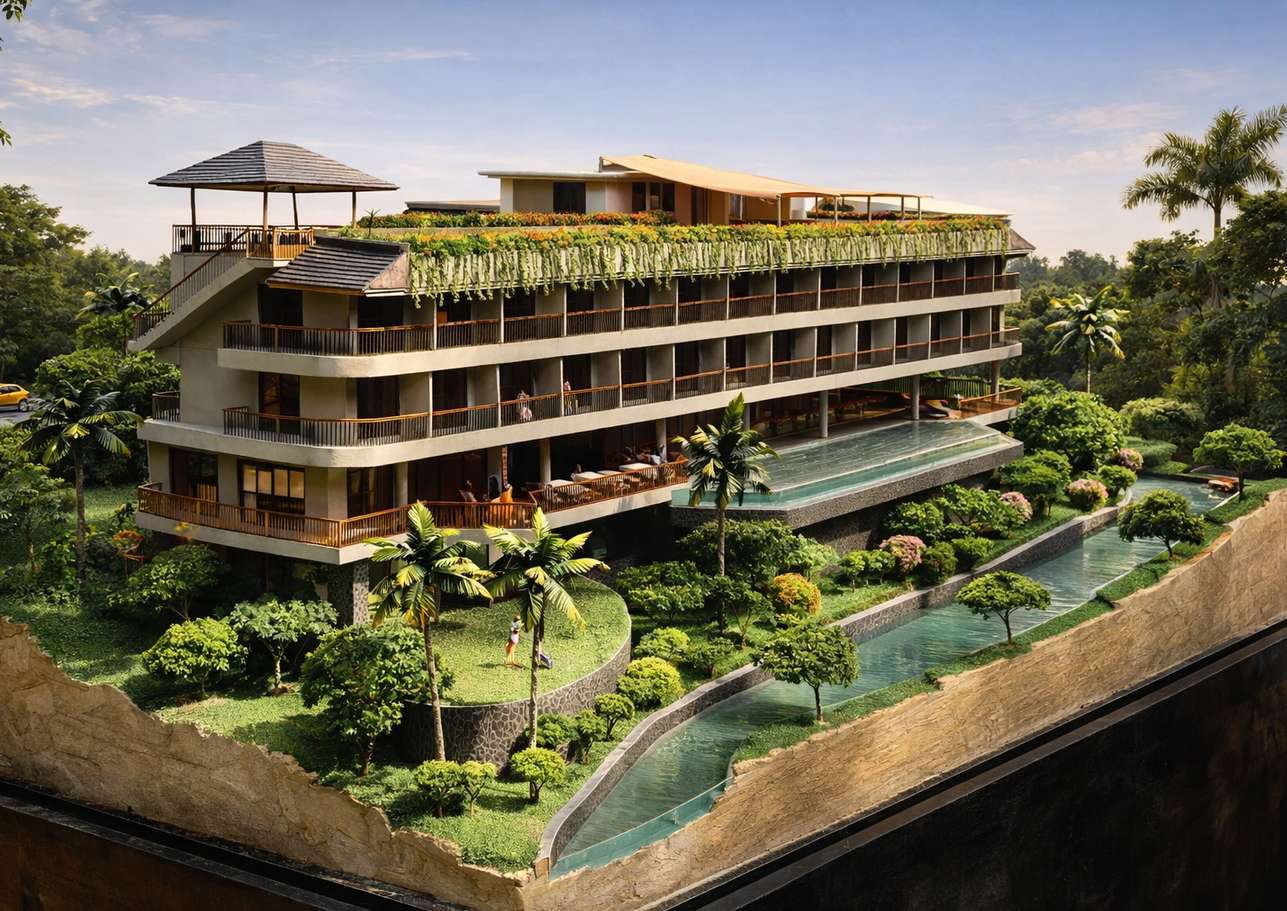
Aling-Aling Waterfall Resort is one example of the model taking shape in the north: a boutique resort of 39 suites in Sambangan, designed by Popo Danes, structured as a managed leasehold investment with a contract-backed return in the early years. See the suites and the indicative figures, or request the full brochure to review the detail.
Aling-Aling Waterfall Resort
39 boutique suites beside the waterfall, by Popo Danes.